
セミナープログラム
英語セミナーにつきましては「英⇨日」同時通訳を実施します。
- セミナータイトルやプログラム内容の詳細は決まり次第本ページにて公開いたします。また、内容は予告なく変更される場合がございます。あらかじめご了承ください。
各セミナーの要旨を準備いたしましたのでぜひご覧ください。以下よりダウンロードいただけます。
オープニング
抗体製剤の無菌ろ過工程における設計・バリデーション戦略
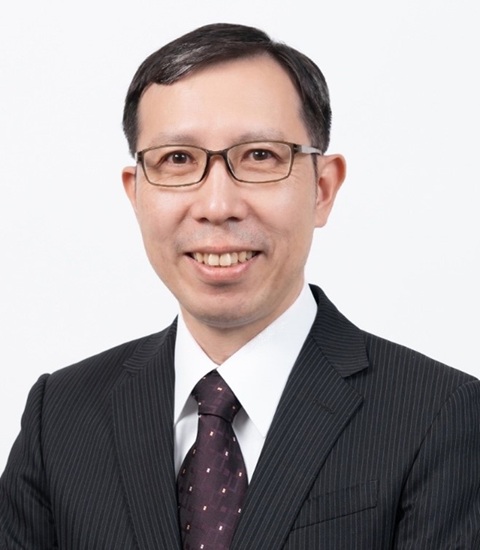
抗体製剤などの最終滅菌が適用できない注射剤は、ろ過滅菌と無菌操作の組み合わせで無菌性を保証しています。このため無菌ろ過は、製品の無菌性を確保する重要工程(Critical Process)であり、その設計品質が製品品質に直結します。本講演では、PIC/S GMP Annex 1をはじめとするグローバル規制動向やPDA Technical Report No.26などの技術ガイダンス文書を参考にして、フィルター選定・バリデーション・生産の各段階における留意点を整理し、工程設計の考え方を共有します。
- フィルター選定
選定では、膜材質(PVDF、PES等)・孔径・形状・ろ過面積に加え、化学的/物理的特性、生物学的安全性、微生物捕捉性能、抽出物/浸出物(Extractables/Leachables)を総合的に評価する必要があります。抗体製剤の高濃度・高粘度化に伴う難ろ過性、ろ過ストレスの製品品質への影響、さらには膜への吸着なども考慮する必要があります。最適なろ過面積サイズを決定するためにろ過特性試験(Filter sizing study)の実施も推奨されます。 - バリデーション
無菌ろ過フィルターに対しては、薬液組成、温度、圧力、流量、ろ過時間、最大ろ過量など、実生産におけるろ過パラメータを反映させた実液での細菌捕捉試験(Bacterial retention study)が必須です。加えて、薬液との適合性試験(Compatibility study)、浸出物評価、吸着試験、フラッシング量設定試験などを実施し、生産条件の妥当性を文書化します。完全性試験を薬液で行う場合には合格判定値を決定するための試験も必要です。 - 生産における運用
実生産においては、設計したプロセスを具体的操作手順にまで落とし込む必要があります。ここでは、冗長フィルターの採用、PUPSITの実施、シングルユースシステムの無菌性/完全性確保、無菌接続などについて議論します。
昼休憩
規制動向に対応する最終ろ過滅菌への期待事項
Expectations for final sterilizing filtration in a changing regulatory landscape

日本語
2022年にPIC/S(医薬品査察協定および医薬品査察共同スキーム)が改訂EU GMP Annex 1を採択して以来、ろ過滅菌に対する規制当局の期待は大きく進化しており、その影響は現在、世界各国の査察やコンプライアンス戦略にも及んでいます。Annex 1の中核となるのは、製品知識、プロセス理解、およびライフサイクルマネジメントを統合し、無菌性および製品品質の保証を目的とした、科学的かつリスクベースの汚染管理戦略(Contamination Control Strategy:CCS)の構築です。
ろ過滅菌は、最終滅菌が適用できない製品の無菌保証手段として、長年にわたり有効な方法とされてきた一方で、現在では単独の管理手段としてではなく、Quality by Design(QbD)の考え方に基づく包括的なCCSを構成する要素の一つとして位置付けられています。
本講演では、ろ過滅菌を取り巻く規制動向の変化について考察します。特に、使用前・滅菌後完全性試験(Pre-Use Post-Sterilization Integrity Testing:PUPSIT)、リスクベースでの適用判断、ならびにプロセス設計に基づくろ過の重要工程パラメータの特定およびバリデーションに対する期待事項について取り上げます。また、PDA Technical Report 26およびASTM E3469をはじめとする最新の業界ガイダンスの改定に伴う影響についても議論し、これら変更が進化する規制当局の要求事項とどのような一貫性を示すのかについても説明します。
さらに、ATMP(先端医療医薬品)を含む先端的かつ新規の治療法によって生じる課題に焦点を当てながら、ろ過滅菌バリデーションにおける新たなアプローチについても紹介します。参加者は、現行の規制当局の期待事項に対応しながら、無菌製剤製造におけるイノベーションを支える、堅牢かつリスクベースのろ過滅菌バリデーション戦略の設計・構築に役立つ実践的な知見を得ることができます。
English
Since adoption of the revised EU GMP Annex 1 by the Pharmaceutical Inspection Co-operation Scheme (PIC/S) in 2022, regulatory expectations for sterilizing filtration have evolved significantly and are now influencing inspections and compliance strategies worldwide. Central to Annex 1 is the requirement for a science- and risk-based Contamination Control Strategy (CCS) that integrates product knowledge, process understanding, and lifecycle management for assurance of sterility and product quality. Despite its long history as an effective means of sterility assurance for products that cannot be terminally sterilized, sterilizing filtration is no longer viewed as a standalone control, but as one element of a comprehensive CCS grounded in Quality by Design principles.
This presentation will examine the changing regulatory landscape for sterilizing filtration, including current expectations for pre-use post-sterilization integrity testing (PUPSIT), risk-based justifications, and the identification and validation of critical filtration process parameters based on process design. We will also discuss the impact of recent updates to industry guidance, including PDA Technical Report 26 and ASTM E3469, and how these changes align with evolving regulatory expectations.
In addition, we will explore emerging approaches to sterilizing filtration validation, with particular focus on challenges introduced by advanced and novel therapeutic modalities, including ATMPs. Attendees will gain practical insights into designing robust, risk-based filtration validation strategies that meet current regulatory expectations while supporting innovation in sterile product manufacturing.
日本語
McAlisterは、CytivaでRegulatory and Validation ConsultancyのGlobal Directorとして、微生物汚染管理分野における規制および科学的な卓越性の推進に貢献しています。2001年に Pall Life Sciences(現 Cytiva)へ入社して以来、無菌ろ過およびウイルス除去ろ過、フィルターのバリデーション、規制戦略に関する豊富な専門知識を培い、組織内のさまざまな技術リーダー職を歴任してきました。
業界を代表する専門家として、Morven は微生物汚染管理に関する業界標準の向上と普及を目的とした活動に積極的に参画しています。2025年に改訂された PDA Technical Report 26(「液体の無菌ろ過(Sterilizing Filtration of Liquids)」)の共同執筆者であり、また2026年に発行された ASTM E3469 標準試験法(「医薬品・バイオ医薬品・生物学的製剤の最終使用者による無菌ろ過バリデーション(Validating End-User Sterilizing Filtration of Pharmaceutical, Biopharmaceutical, and Biological Products)」)の策定にも携わりました。
ストラスクライド大学で微生物学の学士号(BSc)を取得後、クイーンズ大学ベルファスト校で環境微生物学の博士号(PhD)を取得。さらに、アリゾナ大学において博士研究員として研究活動に従事しました。
English
Morven McAlister is Global Director of Regulatory and Validation Consultancy at Cytiva, where she helps drive regulatory and scientific excellence in microbial contamination control. Since joining Pall Life Sciences (now Cytiva) in 2001, she has built extensive expertise in sterilizing and virus filtration, filter validation, and regulatory strategy, holding a range of technical leadership roles across the organization.
A recognized industry thought leader, Morven actively contributes to initiatives that advance and standardize microbial contamination control practices. She was a co-author of the revised PDA Technical Report 26, Sterilizing Filtration of Liquids (2025), and the ASTM E3469 standard method, Validating End-User Sterilizing Filtration of Pharmaceutical, Biopharmaceutical, and Biological Products (2026).
Morven holds a BSc in Microbiology from the University of Strathclyde, a PhD in Environmental Microbiology from Queen's University Belfast, and completed postdoctoral research at the University of Arizona.
無菌製造のろ過工程における規制対応に関する考察

本講演では、PIC/S GMP Annex 1、及びFDA無菌製造指針、厚生労働省の無菌操作法指針におけるろ過工程の要件を比較・整理する。また、無菌製剤の製造における低バイオバーデン工程の管理と、バイオ原薬、特に無菌原薬へのAnnex 1の適用について考察する。さらに、適切なフィルターの選定、バリデーション及び運用における問題解決において、極めて重要な役割を担うサプライヤーとの協力関係構築の重要性について議論する。
休憩
製薬用フィルターの進化から見たGMPの現在

産業用フィルターが「ポールフィルター」と呼ばれていた時代がありました。ポール社が日本市場に参入した1966年からしばらくは医薬品製造の現場でもカートリッジフィルターは十分に普及しておらず、私が入社した1980年代後半には実物を持参して説明に伺うことが珍しくありませんでした。本プレゼンテーションでは、こうした歴史を踏まえつつ製薬用フィルターの進化を整理し品質を競争力として捉える現代の規制対応を考える上での示唆を共有します。
さて、初期のフィルターは布やセルロースが主流で、工程の安定性は充分に保証されず、品質管理は現場の経験に依存していました。製品品質と企業価値が強く結びつくようになるとフィルターは工程品質を支える戦略的資材として扱われるようになります。1970年代には流量と捕捉能力の改善が進む一方、樹脂含浸による新たな汚染リスクが顕在化しフィルター選定は製造部門だけでなく品質保証部門も関与すべき領域へと変化しました。
1980年代以降、バイオ医薬品の台頭とともに親水性フィルターのメンブレン素材ではPVDFやPES、疎水性ではPTFEが主流となり、デプスフィルターの性能向上。シングルユース製品の普及、自動完全性試験装置の一般化など技術の高度化が加速しました。これにより、ろ過特性、バリデーション、E&L評価などが承認要件に深く関わるようになり、ユーザーにはより総合的な判断が求められるようになっています。
GMPは「工程の安定性を科学的に担保する思想」であり、フィルター技術の進化は不純物管理、品質の安定化、工程再現性の向上に大きく寄与してきました。1998年初版のPDAテクニカルレポートNo.26『液体のろ過滅菌』は、当初こそ新奇性ゆえに評価が分かれたものの、昨年の改訂を経て, EU(PIC/S)GMP Annex 1の実務対応を考える上で業界が注目する技術書となっています。Cytivaは、ろ過技術に関する課題解決へ継続的に取り組むとともに、PDA をはじめとする国際学術団体への参画や行政機関向け研修を通じGMPの高度化に対して一貫した貢献を続けています。
変革期にあるバイオプロセスろ過:PFAS規制およびICH Q3Eに基づく包括的E&Lリスク評価へ
Bioprocess Filtration in Transition: From PFAS to ICH Q3E Cumulative E&L Risk Assessments
日本語
バイオプロセス向けろ過ソリューションおよびその構成材料に対する規制当局の期待は、重要用途における材料の使用方法や材料そのものに関する新規・改訂要件の導入に伴い、急速に変化しています。特にPFAS(Per- and Polyfluoroalkyl Substances, 有機フッ素化合物)に関する規制案の検討は、材料リスクに関する科学的根拠に基づく詳細な評価を促しており、さらにサプライチェーン評価と組み合わせることで、代替となる持続可能な材料をどの程度の緊急性をもって検討すべきかの判断が進められています。
同時に、シリコーン、エラストマー、プラスチックに関するUSP(米国薬局方)の材料要件改訂版が正式な規格として施行されつつあります。さらに、最終製品の容器だけでなく、製造工程や消耗品まで抽出物・浸出物(Extractables & Leachables:E&L)の評価対象を拡大するICH Q3Eガイドライン改訂ドラフトの登場により、累積的なE&L安全性評価に対する考え方も大きく変化しています。
本講演では、PFAS規制の最新動向、そのバイオ医薬品製造オペレーションへの影響、利用可能な代替材料、そして現在バイオ医薬品製造企業が講じている対応策について解説します。また、新たなUSP要件およびICH Q3Eで求められる累積的不純物評価の考え方と、それらが包括的なリスクベース管理戦略の中で果たす役割について考察します。さらに、今後の制度実装や業界での採用に影響を与えると考えられる、業界からのフィードバックについても紹介します。
English
Regulatory expectations for bioprocessing filtration solutions and materials have evolved quickly with new and updated requirements around materials and how they are used in critical applications. Proposed restrictions around PFAS have prompted detailed science-based assessments of material risk, coupled with supply chain assessments to establish the urgency with which alternative, sustainable materials should be evaluated.
At the same time, revised USP material requirements for silicones, elastomers, and plastics are now becoming official. Together with an updated ICH Q3E draft E&L guideline expanding E&L considerations beyond final product containers to encompass manufacturing processes and consumables, these updates are reshaping approaches to cumulative extractables and leachables (E&L) safety assessments.
This presentation reviews the current status of PFAS restrictions, their impact to biomanufacturing operations, alternatives, and steps biomanufacturers are now taking. It also examines emerging USP and ICH Q3E expectations for cumulative impurity assessments and their role in comprehensive risk-based control strategies, while highlighting industry feedback expected to influence future implementation and adoption.
日本語
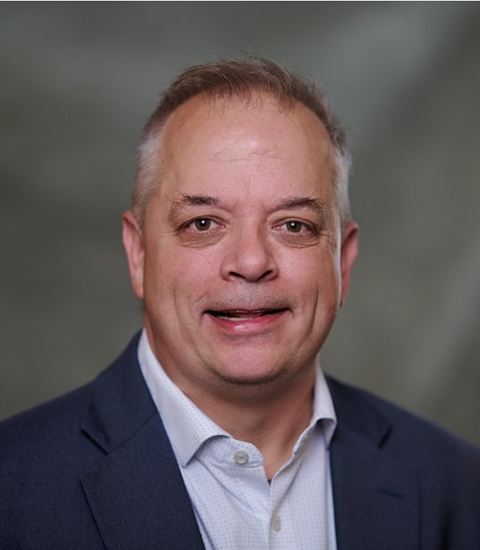
James Hathcock博士は、Cytivaのレギュラトリー & バリデーション戦略部門を統括しています。医薬品製造を可能にする技術について、エンドユーザーによる安全かつ円滑な導入を支援する戦略策定を担当しています。
現在、Biophorum、BPSA、ASTM、ASME-BPE、PDA、NIIMBL、ISOの活動に参画し、重要な気流可視化、迅速微生物試験法、シングルユース製品のX線滅菌戦略、シングルユースシステムの完全性保証、抽出物・浸出物(E&L)、生物学的反応性評価、および新技術の普及促進など、業界の主要な取り組みを支援しています。
2008年にCytivaへ入社して以来、医療機器、バイオプロセス、および充填工程向け技術に関するバリデーション戦略を主導するとともに、規制当局への申請を支援する技術資料や説明資料の作成・調整を担当してきました。Cytiva入社以前は、米国ニューヨーク市にあるマウントサイナイ医科大学の血液学教授を務め、医薬品の特性評価および創薬研究に関連するタンパク質精製ラボを統括していました。
English
James Hathcock, PhD is Principal Director of Regulatory and Validation Strategy at Cytiva, responsible for the strategy to support safe and successful end-user implementation of technologies enabling pharmaceutical manufacturing.
He is currently a supporting member of Biophorum, BPSA, ASTM, ASME-BPE, PDA, NIIMBL and ISO, where he supports key industry initiatives including critical air flow visualization, rapid microbial methods, single-use X-ray sterilization strategy, single-use integrity assurance, extractables and leachables, biological reactivity and technology adoption.
Since joining Cytiva in 2008, James has led validation strategies for medical, bioprocessing and filling technologies, as well as coordinated relevant technical packages and briefings supporting regulatory filings.
Prior to his experience with Cytiva, James served as professor of hematology at the Mt. Sinai School of Medicine in New York City, where he directed the protein purification laboratory related to drug characterization and discovery.
休憩
バイオ医薬製造における持続可能なろ過・分離技術
Sustainable Filtration and Separation Technologies in Biopharmaceutical Manufacturing
日本語
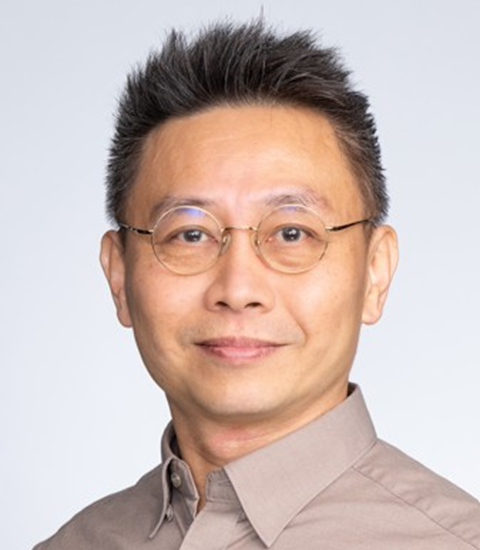
ろ過および分離技術は、バイオ医薬品製造における細胞回収、精製、濃縮、ウイルス除去、無菌ろ過などのプロセスを支える極めて重要な技術です。これらの工程は、モノクローナル抗体、ワクチン、組換えタンパク質をはじめとするバイオ医薬品の品質、安全性、および規制順守に欠かせない役割を果たしています。一方で、業界が拡大する中で、製造現場におけるプロセス効率の向上と環境負荷の低減を両立することがこれまで以上に求められています。
ろ過は重要な製造プロセスである一方、多くの資源を消費し廃棄物の発生を伴います。また、使い捨てのフィルターやメンブレンではプラスチック廃棄物を生み出し、ろ過プロセスにおいては大量の水、バッファー、エネルギーが消費されます。さらに、プロセスの非効率性は製品ロスや運用コストの増加にもつながります。そのため、ろ過・分離プロセスの最適化は、製造効率を向上させながら持続可能性を高める貴重な機会として注目されつつあります。
本講演では、ろ過工程における持続可能性向上のための主要な取り組みについて解説します。まず、フィルターサイズの最適化に焦点を当てます。多くの場合、フィルターは処理能力に余裕を持たせるために過大設計されていますが、プロセス理解の向上、スループット評価、モデリングツールの活用により、適切なフィルターサイズを特することにより、フィルター使用量、廃棄物発生量および製品ホールドアップ量の削減が可能になります。
また、フィルターを最大限、効率的に使用することも重要な取り組みになります。スループットや差圧などの性能指標を継続的に監視することによって、フィルターの能力の限界に近い状態まで使用できるようになり早期交換を回避することができます。その結果、消耗品の使用量削減、運用コスト低減、廃棄物削減を実現しながら、プロセスの信頼性を維持することができます。
さらに、特にタンジェンシャルフローろ過(TFF)やダイアフィルトレーション工程においてバッファー使用量の削減も同様に重要となります。プロセス最適化、インラインコンディショニング、低ホールドアップ量を考慮したシステムの設計は、水やバッファーの使用量を大幅に削減でき、エネルギー消費や排水量の低減とともに、プロセス全体の効率向上が期待できます。
加えて、製品ロス低減とプロセス効率向上のための取り組みとについても紹介します。先進的なメンブレン素材、低タンパク質吸着特性、回収率を高める最適化技術により、製品の収率を向上させながら廃棄物を削減することが可能です。多くの資源が投入されるバイオ医薬品の製造においては、わずかな回収率の向上が環境面・経済面の双方に大きな効果をもたらします。
持続可能性の取り組みをの実例についても紹介します。Cytivaでは、一部の製品にISCC PLUS認証を取得したバイオベースプラスチックを採用し、従来材料と比較して化石燃料の使用量を約70%削減しています。また、下流工程における洗浄条件の最適化により、洗浄液の使用量も45%以上削減できることを実証しています。さらに、STRAPなどのリサイクル技術の継続的な開発により、シングルユース技術を利用したバイオプロセスにおける廃棄物からポリマーを回収し循環型経済の実現を目指しています。
今後は、スマートろ過システム、デジタルツイン、次世代メンブレン技術、連続生産バイオプロセス、リサイクル可能な製品設計などのイノベーションによって、持続可能性性のさらなる向上が期待されています。プロセス最適化、革新的素材、デジタル技術を統合することでバイオ医薬品業界は環境負荷を低減しながら、生産性、収率、そして事業継続性を向上させることができます。持続可能なろ過・分離技術は、バイオ医薬品製造分野における製造の卓越性と長期的な環境に対する責任の両立を実現するための重要な鍵となるでしょう。
English
Filtration and separation technologies are critical to biopharmaceutical manufacturing, supporting processes such as cell harvest, purification, concentration, virus removal, and sterile filtration. These operations ensure the quality, safety, and regulatory compliance of biologics, including monoclonal antibodies, vaccines, and recombinant proteins. As the industry expands, manufacturers face increasing pressure to improve both process efficiency and environmental sustainability.
Despite their importance, filtration operations contribute significantly to resource consumption and waste generation. Single-use filters and membranes generate plastic waste, while filtration processes require substantial amounts of water, buffers, and energy. Process inefficiencies can also lead to product losses and higher operating costs. Therefore, optimizing filtration and separation processes offers a valuable opportunity to improve sustainability while enhancing manufacturing performance.
This presentation explores key sustainability opportunities across filtration operations. Filter sizing optimization is one important strategy, as filters are often oversized to provide additional processing capacity. Through better process understanding, throughput studies, and modeling tools, manufacturers can identify the optimal filter area required, reducing material consumption, waste generation, and product hold-up volumes.
Maximizing filter utilization is another effective approach. By monitoring performance indicators such as throughput and differential pressure, filters can be used closer to their actual capacity rather than being replaced prematurely. This reduces consumable usage, lowers operating costs, and minimizes waste without compromising process reliability.
Reducing buffer consumption is equally important, particularly in tangential flow filtration and diafiltration applications. Process optimization, in-line conditioning, and low hold-up system designs can significantly decrease water and buffer requirements, leading to lower energy usage, reduced wastewater generation, and improved overall process efficiency.
The presentation also highlights opportunities to reduce product loss and improve process efficiency. Advanced membrane materials, low protein-binding surfaces, and optimized recovery strategies can increase product yield while reducing waste. Since biologics require substantial resources to manufacture, even small improvements in recovery can deliver significant environmental and economic benefits.
Real-world examples demonstrate how sustainability principles can be successfully implemented. Cytiva has introduced ISCC PLUS certified bio-based plastics into selected filtration products, reducing fossil fuel consumption by approximately 70% compared with conventional materials. The company has also demonstrated that optimized downstream cleaning strategies can reduce cleaning solution usage by more than 45%, while ongoing development of recycling technologies such as STRAP seeks to recover polymers from single-use bioprocessing waste and support circular economy initiatives.
Looking ahead, emerging innovations such as smart filtration systems, digital twins, advanced membrane technologies, continuous bioprocessing, and recyclable product designs are expected to further improve sustainability performance. By integrating process optimization, innovative materials, and digital technologies, the biopharmaceutical industry can reduce environmental impact while improving productivity, product yield, and operational resilience. Sustainable filtration and separation technologies therefore represent a critical pathway toward achieving both manufacturing excellence and long-term environmental stewardship in the biopharmaceutical sector.
PIC/S GMP Annex 1(無菌医薬品の製造)の対応について
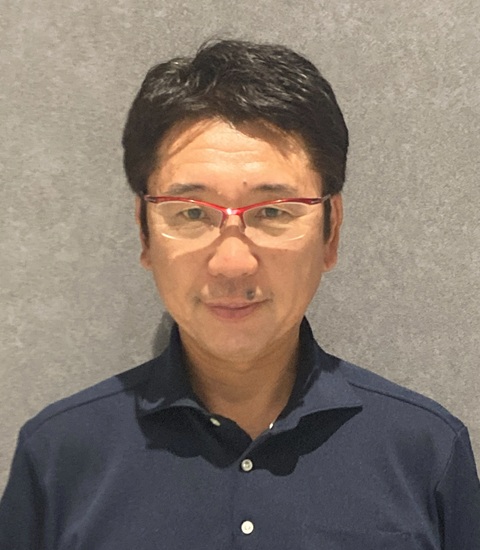
2023年8月に施行されたPIC/S GMP Annex 1(無菌医薬品の製造、以下Annex 1)の改訂では、要求事項が大幅に増加し、その内容は詳細かつ多岐にわたるものとなりました。報告者は社外活動の中で、無菌医薬品の製造現場において、要求事項の解釈や対応に苦慮しているという声をお聞きします。PIC/S GMPガイドラインの事務連絡*では『製造業者等の自らの製造管理及び品質管理の手法によっても、PIC/SのGMPガイドライン等の手法と同等以上の品質が確保されているか、科学的な知見に基づき検討すべきものであること。その結果、製造業者等の自らの手法において、許容できない品質及び保健衛生に対するリスクがあると判断される場合にあっては、GMP省令を踏まえた上で、必要に応じPIC/SのGMPガイドラインにある手法を活用するよう指導しても差し支えないこと』とされています。GMP査察(承認前査察、定期査察、無通告査察)において、Annex 1への対応を説明し、その正当性について理解を得て、重大な指摘を回避することが、品質の確保、安定供給、オンスケジュールでの新薬の上市に繋がります。
本講演では、改訂されたAnnex 1の中から、報告者が特に対応が必要だと考える要求事項を取り上げて解説いたします。
*「PIC/SのGMPガイドラインを活用する際の考え方について」
(事務連絡 平成24年2月1日厚生労働省医薬食品局監視指導・麻薬対策課)
Closing&懇親会
展示製品エリア
会場内では、フィルトレーション製品および関連ソリューションの展示を予定しています。
※ 展示内容は変更となる場合があります。
- 完全性試験装置
- PUPSIT関連ソリューション
- 各種フィルター製品
- 最新シングルユース技術・関連ソリューション